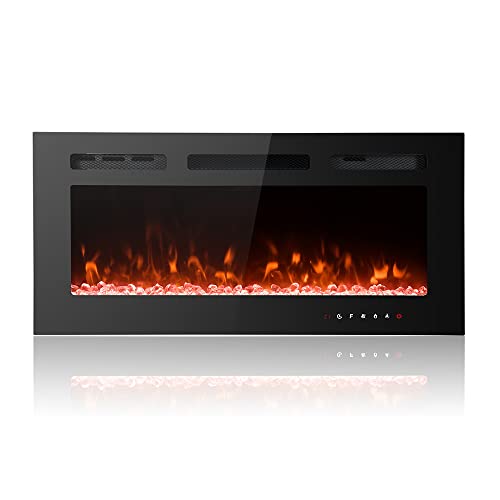
A Comprehensive Guide to Wall-Mounted Fireplaces
Wall-mounted fireplaces have actually become progressively popular in modern homes due to their space-saving designs and aesthetic appeal. Unlike conventional fireplaces, which require significant floor space and comprehensive installation, wall-mounted variations provide luring alternatives that fit perfectly into modern home. This post will dig into the different elements of wall-mounted fireplaces, including their types, advantages, installation, upkeep, and regularly asked concerns.
Kinds Of Wall-Mounted Fireplaces
Wall-mounted fireplaces mainly fall under two categories: electric and ethanol. Below is a comparative summary of these types:
| Type | Fuel Source | Heat Output | Key Features | Installation |
|---|---|---|---|---|
| Electric | Electricity | Adjustable, typically lower | Remote control, numerous flame settings | Plug and play; very little setup |
| Ethanol | Bioethanol | Moderate | Real flame, portable, environmentally friendly | Wall brackets or mounting needed |
Electric Fireplaces
Electric fireplaces use electricity as their primary fuel source, which implies they do not produce genuine flames. Instead, they produce sensible flame-like effects by means of LED lights. Here are the crucial functions of electric wall-mounted fireplaces:
- Adjustable heat settings: Many electric models use different heat settings, making it possible for users to control their home's warmth.
- Push-button control operation: Most systems include remote controls for hassle-free operation.
- Eco-friendliness: No emissions or soot, making them an ecologically friendly heating alternative.
- Security functions: They often include automatic shut-off mechanisms to minimize overheating risks.
Ethanol Fireplaces
Ethanol wall-mounted fireplaces use bioethanol fuel, which produces a genuine flame without the requirement for a flue. The benefits of these fireplaces include:
- Sleek style: Ethanol fireplaces often feature contemporary styles and can act as stunning centerpieces.
- Easy setup: They do not require venting, which streamlines the installation process.
- Portability: Some models can be moved from one location to another, providing flexible usage.
- Tidy burning: Burning bioethanol produces no poisonous emissions.
Advantages of Wall-Mounted Fireplaces
Space-Saving Design
Wall-mounted fireplaces are perfect for little areas, where flooring area is typically at a premium. By raising the fireplace off the ground, they release up valuable realty while still supplying the warm ambiance of a fire.
Aesthetic Appeal
With their contemporary and streamlined designs, wall-mounted fireplaces can improve the visual appeal of any room. They work as elegant focal points and can be installed in various places, from living rooms to bed rooms, developing a comfy and welcoming atmosphere.
Easy Installation and Maintenance
Most wall-mounted fireplaces are developed for easy installation. Electric models generally require just a standard electric outlet, while ethanol fireplaces are often freestanding or wall-mounted without complex venting. Both types need very little maintenance, making them practical for busy house owners.
Setup Considerations
When installing a wall-mounted fireplace, numerous factors need to be taken into account:
- Location: Choose an area that takes full advantage of exposure and complements existing design. Make sure that the distance from furnishings and flammable products is safe.
- Power Supply: For electric models, verify that you have an accessible electric outlet. Think about hiring an expert for any essential electrical wiring adjustments.
- Weight and Safety: Wall-mounted fireplaces can be heavy. Guarantee that the wall can bear the system's weight, and use proper installing hardware.
Installation Steps for Electric Wall-Mounted Fireplaces
Here are the basic actions to set up an electric wall-mounted fireplace:
- Select the location and mark the wall.
- Utilize a stud finder to find wall studs and mark them.
- Level and protect the mounting bracket to the wall at the desired height.
- Mount the fireplace system onto the bracket.
- Plug in the system to an electric outlet.
- Evaluate the fireplace to guarantee it operates properly.
Installation Steps for Ethanol Wall-Mounted Fireplaces
- Pick an ideal area and mark the area.
- Set up the mounting bracket according to the manufacturer's directions.
- Connect the fireplace to the bracket and guarantee it is safely fastened.
- Fill the burner with bioethanol fuel following safe standards.
- Light the fireplace utilizing a long-reach lighter.
Upkeep of Wall-Mounted Fireplaces
Appropriate maintenance is essential for guaranteeing your wall-mounted fireplace remains in optimum condition. Here are some upkeep pointers:
- Regular cleansing: Wipe down the surface with a soft cloth to avoid dust accumulation. Usage glass cleaner for glass surface areas.
- Check fuel sources: If using an ethanol fireplace, regularly monitor the fuel levels and fill up as necessary.
- Check connections: For electric designs, make sure that all wiring connections are protected.
Frequently Asked Questions (FAQs)
1. Fireplaces And Stoves -mounted fireplaces safe?Yes, wall-mounted fireplaces are typically safe when set up and run according to the manufacturer's instructions. It's vital to follow security guidelines and preserve a safe distance from combustible products.
2. Just how much heat do wall-mounted fireplaces supply?The heat output differs depending on the kind of fireplace. Electric models generally provide adjustable heat output, while ethanol fireplaces can generate significant heat based upon the amount of fuel used.
3. Can I install a wall-mounted fireplace by myself?While numerous wall-mounted fireplaces come with easy-to-follow installation directions, it's suggested to seek advice from a professional if you're unsure about electrical connections or structural requirements.
4. Do wall-mounted fireplaces require venting?Electric fireplaces do not need any venting, while ethanol fireplaces are vent-free, making them easier to install in various locations within the home.
5. What is the typical cost of a wall-mounted fireplace?Costs for wall-mounted fireplaces vary commonly, normally varying from ₤ 200 to ₤ 2,000 or more, depending on the type, style, and functions.
Wall-mounted fireplaces offer a stylish service for modern-day heating needs while improving the visual aesthetics of any space. Their varied styles, ease of setup, and very little maintenance requirements make them highly interesting house owners. Understanding the various types, advantages, and upkeep best practices can aid in making an informed choice when picking the best wall-mounted fireplace for your home.